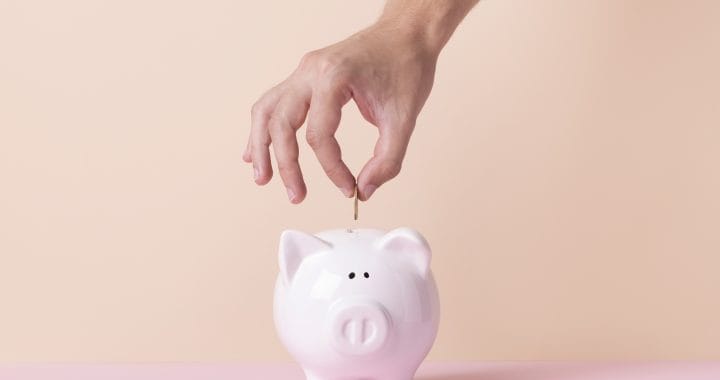
Emergency Savings: Building Your Financial Buffer in 2026
While today’s steady interest rates are neither at record highs nor rock-bottom lows, consistently building up your savings remains a vital financial habit. Cultivating this safety net can help to ensure you are fully prepared to face unexpected emergencies.
Audit your subscriptions
Check your bank statement and go through all your existing direct debits. Perhaps reconsider things you no longer use like Netflix, a magazine subscription or a gym membership.
Kids get great rates
In the 2026/27 tax year, you can contribute up to £9,000 to a Junior ISA (JISA), where savings grow entirely tax-free. However, a child cannot hold both a Junior ISA and a Child Trust Fund (CTF) at the same time. If your child already has a Child Trust Fund, you must officially transfer those funds into the new Junior ISA to close the old account.
Shop around for better returns
For better returns on your own savings, shop around for fixed-rate accounts, which could offer higher rates in exchange for locking your money away for a year or more.
Make use of government top-ups
The Lifetime ISA (LISA) allows you to save for a first home or retirement earning a 25% government bonus (max £1,000/year).
Eligibility & Bonus: UK residents aged 18 to 39 can open a Lifetime ISA to save up to £4,000 annually and receive a 25% government bonus on their contributions until they turn 50.
Withdrawal Charge: A 25% government charge applies to the entire withdrawn amount if funds are taken out before age 60 for any reason other than buying a first home or terminal illness.
Note that a government consultation is currently reviewing the LISA’s future, with potential reforms or a replacement product expected.
Personal savings allowance (PSA)
Your personal savings allowance (PSA) is a tax-free allowance that lets you earn interest on your savings without paying tax on that interest. The allowance you get depends on what rate of income tax you pay: Basic-rate (20%) taxpayers: can earn £1,000 in savings interest per year with no tax. Higher-rate (40%) taxpayers get a £500 allowance. Additional rate taxpayers have no personal savings allowance.
Don’t forget about Cash ISAs
Individual Savings Accounts (ISAs) continue to provide a tax-free shelter for your savings. Your annual ISA allowance for 2026-27 is £20,000.
Please note that major legislative changes are scheduled for 6 April 2027, when the tax-free Cash ISA allowance will drop from £20,000 to £12,000 for savers under 65 (The total ISA allowance will still be £20,000), making it crucial to maximize your current allowances while they last.
The favourable tax treatment of ISAs may be subject to changes in legislation in the future.
The value of your investment can go down as well as up and you may get back less than the amount invested.
By incurring a Lifetime ISA Government withdrawal charge you may get back less than you paid in.
By saving in a Lifetime ISA instead of a qualifying pension scheme you could lose contributions by your employer, if any.
Saving in a Lifetime ISA may affect your entitlement to current and future means tested benefits.