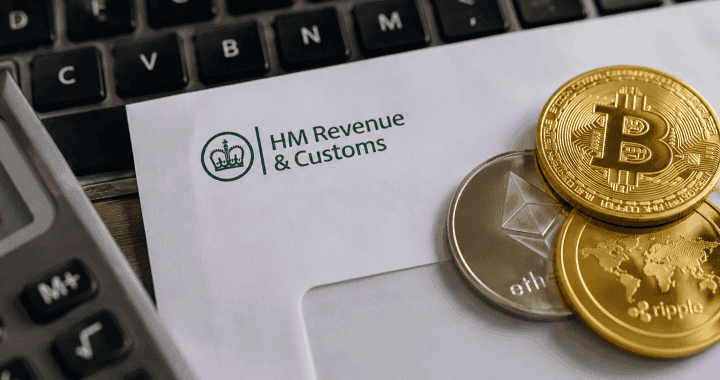
HM Revenue & Customs (HMRC) is continuing to increase its scrutiny of cryptocurrency activity, and the latest developments mean UK crypto investors should take their tax compliance seriously.
HMRC has been using data-led “nudge” campaigns to contact taxpayers where information suggests there may be a tax risk. HMRC has also made clear that the introduction of the Crypto-Asset Reporting Framework (CARF) will significantly increase the information available to tax authorities. The UK is collecting cryptoasset information from 2026, with international exchange of information following from 2027.
A letter from HMRC does not necessarily mean that HMRC has concluded that tax is definitely owed. However, it should not be ignored. The correspondence may indicate that HMRC has information suggesting an individual has cryptoasset activity that needs to be reviewed.
For anyone receiving a letter, the first step is to establish exactly what HMRC is asking about and why. This may require reviewing historic transactions across crypto exchanges and wallets and reconciling them with previously submitted Self Assessment tax returns.
Crypto tax can be complicated because taxable events are not necessarily limited to converting cryptocurrency into pounds. HMRC’s guidance confirms that tax can arise when cryptoassets are sold for money, exchanged for another type of cryptoasset, or used to purchase goods or services.
This can make reconstructing a historic crypto position particularly challenging. Investors may have used multiple exchanges, moved assets between wallets, exchanged one token for another or carried out transactions without appreciating that they could have tax consequences at the time.
The increasing availability of third-party data means that this is becoming an area where taxpayers need to be particularly careful. HMRC has stated that it is taking a data-led approach to identifying potential non-compliance, while CARF is intended to provide greater visibility of cryptoasset ownership and transactions.
Kate Brown, Director at Nicholsons, comments:
“Receiving a letter from HMRC can understandably be concerning, particularly where someone has undertaken a significant number of crypto transactions or is unsure whether their previous reporting was correct. Our advice is not to panic and, importantly, not to ignore the correspondence. At Nicholsons, we can assist clients in reviewing their cryptoasset activity, understanding their tax position and responding to HMRC where appropriate. If you have received a letter, our team would be happy to discuss your circumstances and help you understand what steps you may need to take.”
The key message for crypto investors is therefore simple: do not ignore an HMRC letter and do not assume that a lack of previous contact means your crypto activity has gone unnoticed.
If you receive correspondence from HMRC, taking professional advice at an early stage can help establish whether there is a tax liability, identify any historic reporting issues and determine the most appropriate way to respond.
With HMRC’s access to cryptoasset data set to increase, maintaining accurate records and ensuring that your tax affairs are up to date is becoming more important than ever.
If you have received an HMRC cryptoasset letter, Nicholsons can assist. Contact Kate Brown and the team to discuss your circumstances and find out how we can help.